
Why rural pharmacy closures have accelerated and what counties are hit hardest
If you’ve watched your local drugstore counter shrink its hours, then close for good, you’re not imagining a trend. Independent pharmacies in small towns have been closing at a pace that’s hard to keep up with, and chain pharmacies have followed, pulling out of towns where the math no longer works for them. Lower prescription volumes, reimbursement rates that don’t cover the cost of doing business in a low-population area, and the retirement of an owner-pharmacist with no one to take over the practice all play a part. When one closes, it’s rarely replaced.
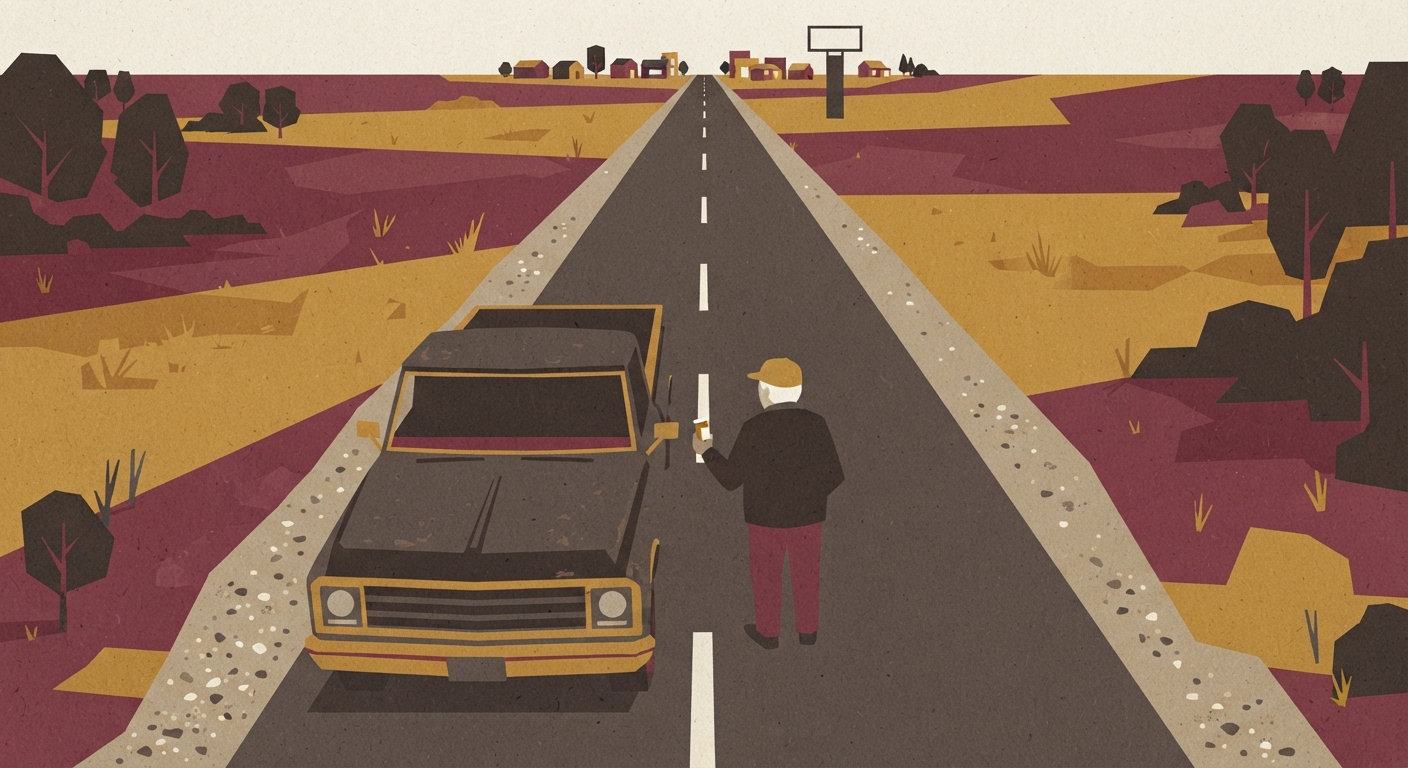
The counties hit hardest tend to be the ones already stretched thin on other services too — places where the hospital downsized, the bank branch merged into the next county over, and the grocery store is also the only place to buy motor oil. Farming and ranching counties with aging populations are especially exposed, because older residents fill more prescriptions and drive longer distances to do it. If you’re in one of these places, you already know the drill: what used to be a five-minute stop is now a planned event, built around a day when you’re already headed to town for something else.
Calculating the real cost of a pharmacy trip: fuel, time off work, and the temptation to skip refills
It’s easy to think of a prescription as costing whatever the copay is. But when the pharmacy is 40 miles away, the copay is just the entry fee. There’s the fuel for an 80-mile round trip, the wear on a vehicle that’s probably already logging plenty of miles for work, and — for a lot of folks — a half day or full day away from a job that doesn’t pay you for standing at a counter waiting for a bottle to be filled.
Add it up honestly. If your truck gets 18 miles to the gallon and gas is running a few dollars a gallon, that round trip alone is real money, not pocket change. If you’re a tradesperson or hired hand paid by the day or the job, missing half a day to sit in a pharmacy line can cost more than the medication itself. That math is exactly why so many rural folks quietly stretch a prescription past when they should refill it, or skip a dose here and there to make the bottle last until the next trip to town lines up with something else on the calendar. It feels like a small compromise in the moment. Over months, skipped or delayed doses on blood pressure medication, diabetes medication, or heart medication can turn into an emergency room visit — which comes with its own drive, its own missed workdays, and a far bigger bill.
Mail-order and 90-day fill options: what they save and where they fall short for maintenance meds
For medications you take every day, long-term — blood pressure pills, cholesterol medication, thyroid medication, and the like — mail order or a 90-day fill through a preferred pharmacy can cut your pharmacy trips from twelve a year down to four, or even to zero if the mail carrier is reliable. That’s the single biggest lever most rural households have for cutting both the driving and the missed-work cost of routine prescriptions.
Where it falls short is anything that changes. If your dose gets adjusted, if you start a new medication, or if you need something for a short-term illness like an infection, mail order is too slow to help you the week you need it. You’ll still need a local option — a pharmacy, a clinic, or a dispensing physician — for anything acute. Rural mail service can also be less predictable than it is in town, so build in a cushion. Ordering a 90-day refill when you’re down to a two-week supply, rather than waiting until the bottle’s nearly empty, gives you room for a delayed delivery without a gap.
Working with your prescriber to bundle refills and reduce trips
One of the most underused tools in this whole situation is simply asking your doctor or nurse practitioner to help you cut down on trips. If you take three or four maintenance medications on different refill schedules, ask whether they can all be synced to renew at the same time. Many prescribers can align refill dates so you’re making one trip a month instead of three or four scattered across the calendar.
It’s also worth asking directly for the longest fill your insurance and the medication itself will allow — 90 days instead of 30 where that’s an option — and for prescriptions written with enough refills authorized that you’re not having to call for a new prescription every few months on top of the pharmacy trip itself. If you see a specialist in a larger town for part of your care, ask whether your regular prescriber can manage the ongoing refills locally instead of routing everything back through the specialist’s office, which usually adds time and phone calls to every renewal.
Using rural health clinics and dispensing physicians as a stopgap
In a lot of small towns, the pharmacy counter isn’t the only place medication can come from. Rural health clinics and some physicians are set up to dispense certain medications directly out of the office, particularly for common, everyday prescriptions. It’s not a full substitute for a pharmacy — the range of medications is usually limited, and it works best for routine, stable prescriptions rather than anything complicated — but it can save a trip, especially when you’re already at the clinic for an appointment.
It’s worth asking your clinic directly what they’re able to dispense on-site and whether that’s covered the same way a pharmacy fill would be. Some clinics also know which mobile pharmacy services or delivery routes serve the area, since a visiting nurse or a rural outreach program sometimes carries prescriptions as part of a regular circuit through the county. It doesn’t hurt to ask what’s available even if no one’s mentioned it before — a lot of these stopgap options exist quietly and aren’t advertised.
Building a small ‘prescription buffer fund’ so a late refill never becomes a missed dose
Set aside a small, dedicated cash cushion — even fifty or a hundred dollars — specifically for prescription costs, separate from your regular grocery or fuel budget. Call it your prescription buffer fund. Its whole job is to absorb the moments when a refill costs more than you expected, or when you have to make an unplanned trip because a mail order was delayed or a new medication got prescribed on short notice.
The point of this fund isn’t to cover a major medical bill — it’s to make sure a timing problem never turns into a skipped dose because you didn’t want to put gas in the tank for an unplanned trip, or you were waiting for the next paycheck to cover a copay. Keep it separate, replenish it when you dip into it, and treat it the same way you’d treat a small emergency fund for a vehicle repair — because in a lot of rural households, a pharmacy run really is a vehicle-dependent event with its own way of going wrong at the worst time.
Questions to ask before switching pharmacies or insurance-preferred networks
If you’re considering a switch — moving to a different pharmacy in town, going all-in on mail order, or following an insurance plan’s preferred network to a pharmacy in a different county — ask a few practical questions first. How far is the new pharmacy, actually, door to door, not just as the crow flies? Does it offer 90-day fills on your regular medications? What’s the actual process and timeline if a prescription needs a same-day fill, like an antibiotic? Is there a local backup if mail order runs late?
Ask, too, whether the switch changes who you call with questions — a familiar pharmacist who knows your medications and your situation is worth something that’s hard to put a number on, especially in a small town where that relationship might be the reason a problem gets caught before it becomes serious. A cheaper copay somewhere two counties over isn’t much of a deal if it costs you a full day and a tank of gas to collect it.
