
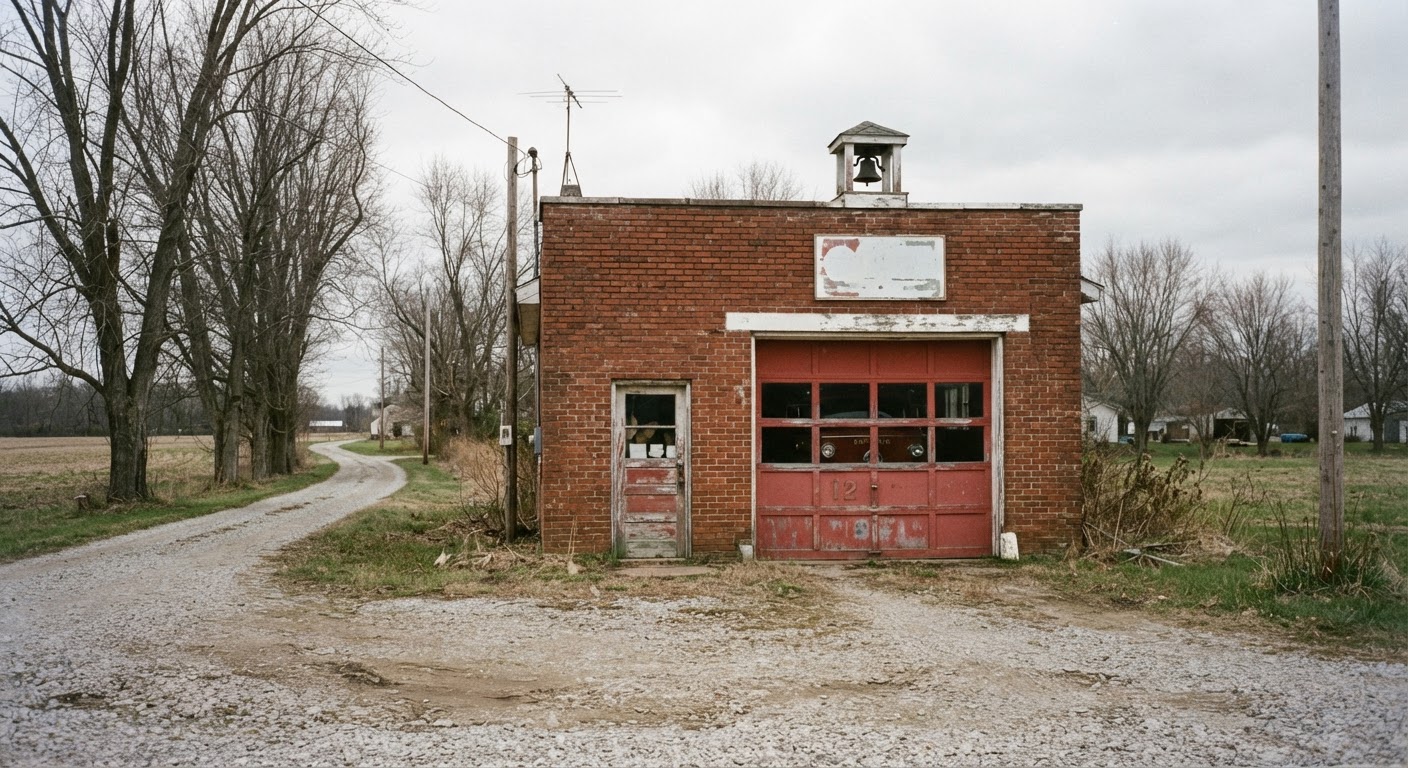
If you’ve ever compared your homeowners premium to a cousin’s who lives twenty minutes away in the county seat, and wondered why yours is so much higher for a similar house, part of the answer is probably sitting in a metal building down the road with a couple of pumper trucks in it. Insurance companies don’t just price your home based on square footage and roofing material. They also price it based on how fast, and how well, someone can respond if it catches fire. That’s called your property’s fire protection class, and for a lot of rural homeowners, it’s the hidden number driving the bill.
How insurers rate fire protection class by distance and department type
Most insurance companies use a fire protection class rating system that scores communities and individual properties on a numeric scale, with lower numbers meaning better protection and generally lower premiums. The rating comes from an assessment of the local fire department and water supply, done by an organization that evaluates things like equipment, staffing, training, dispatch systems, and how much water can be delivered to a fire scene and how fast.
Two distances matter more than almost anything else in that formula: how far your house sits from the responding fire station, and how far you sit from a recognized water source, like a hydrant or a certified dry hydrant on a pond. Cross certain distance thresholds and your rating can drop a full class or more, even if the department itself is excellent. This is why two houses on the same road, a mile apart, can carry noticeably different premiums. One might be inside the effective response distance from the station and near a hydrant; the other might be just far enough out to fall into a worse class.
If you don’t know your property’s current protection class, that’s the first thing to find out. Your insurance agent can usually tell you, and it’s worth asking directly rather than assuming your rate is just “how it is out here.”
Why volunteer departments are scored differently than paid ones
Volunteer fire departments serve the overwhelming majority of rural America, and they do it well, often with dedicated, well-trained people who show up at 2 a.m. in January because a neighbor’s barn is burning. But rating systems don’t score departments purely on heart. They score staffing levels, response consistency, training documentation, and equipment maintenance records. Paid, full-time departments in cities can usually guarantee a certain number of firefighters on duty around the clock. Volunteer departments depend on who’s available and can get to the station, which varies by time of day, season, and how many members currently belong.
Some rating systems apply a distinction between combination departments (paid plus volunteer), fully paid departments, and fully volunteer departments, sometimes weighting the fully volunteer designation more conservatively even when actual response times are good. This isn’t a knock on your local volunteers. It reflects how hard it is to standardize and document staffing when everyone on the roster also has a day job, whether that’s farming, running a shop, or working a shift somewhere else entirely.
The practical result is that a volunteer department can be excellent and still produce a less favorable rating than a similarly sized paid department, simply because the data points insurers rely on, like guaranteed minimum staffing, are harder to prove on paper. That gap between real-world capability and what shows up in the rating is exactly why it’s worth asking questions instead of accepting the number at face value.
Steps that can improve your property’s protection class
You’re not entirely at the mercy of a rating that was set years ago. Protection class scores get reassessed periodically, and departments can take action to improve theirs. A few things worth knowing about or raising with your local department and county officials:
- Water supply upgrades. Installing a dry hydrant on a farm pond, upgrading a rural water district’s hydrant spacing, or adding a certified static water source can improve the rating for an entire area, not just one property.
- Response documentation. Departments that keep detailed, consistent records of call times, staffing on scene, and training hours tend to score better, because the rating process leans heavily on documented evidence, not just word of mouth about how good the department is.
- Mutual aid agreements. Formal agreements with neighboring departments to jointly respond to calls can sometimes improve the effective staffing and equipment numbers used in the rating, even if your home department is small.
- Equipment and apparatus updates. Pumper capacity, hose length, and tanker truck water volume all factor in. A department applying for grant funding to replace an aging truck isn’t just improving safety, it may also be improving the community’s insurance rating over time.
- New or relocated stations. If a second station or a substation gets built closer to a cluster of homes that were previously outside the effective response distance, those homes can see a real improvement at the next assessment.
None of this happens overnight, and it usually isn’t in an individual homeowner’s control. But if you serve on a fire board, attend county meetings, or just know the fire chief well enough to ask, it’s worth understanding whether an upgrade is in the works, because it could mean a rate improvement down the line for everyone on that response route.
It’s also worth checking, every few years, whether your property has been reassessed at all. Ratings don’t always update automatically when a department improves equipment or a new hydrant goes in nearby. Sometimes a homeowner has to prompt their insurer to check whether conditions have changed since the last review.
Questions to bring to your next insurance renewal call
Renewal time is when most people just glance at the total and move on, especially if the increase looks modest. For rural homeowners, it’s worth spending five extra minutes on the phone asking about the fire protection side of the number. Some starting points:
- What is my property’s current fire protection class rating, and when was it last assessed?
- Is my rating based on distance to the fire station, distance to a water source, or both?
- Does my policy premium reflect the fact that my local department is volunteer, combination, or paid, and how much does that distinction weigh into my specific rate?
- Has anything changed locally, like a new hydrant, a relocated station, or a mutual aid agreement, that hasn’t yet been reflected in my rating?
- Would installing a private water source, like a dry hydrant on my own pond, have any effect on my rate, and would I need documentation from the fire department to make that count?
- Are there other rural-specific credits or adjustments, such as those tied to distance from a paid department versus a volunteer one, that I should know about?
Your agent may not have every answer on the spot, especially for the more local questions about hydrants or station distance, but asking puts it on record that you want the rating checked rather than just renewed automatically. If you get a vague answer, it’s reasonable to ask them to follow up in writing once they’ve confirmed the details, and to compare that answer against what your county’s own fire district or emergency management office tells you, since those two sources don’t always match. A rating that’s a few years stale, in either direction, is common enough in rural areas that it’s worth the extra effort to nail down.
