
Who Qualifies: Age, Income, and Homeownership Requirements
The USDA Section 504 Home Repair Program is built for a specific kind of household, and if you fit the profile, it can cover work that would otherwise sit on a to-do list for years. The program is split into two pieces — a repair loan open to lower-income homeowners of any age, and a repair grant reserved for homeowners age 62 and older who meet a stricter income test. Since most of the interest in this program comes from older homeowners chasing the grant, that’s the focus here.
To qualify for the grant portion, you generally need to meet all of the following:
- Age: You (or your spouse, if you co-own the home) must be 62 or older.
- Income: Your household income has to fall below the “very low income” limit set by USDA for your county. These limits are tied to local median income and household size, and they are not the same number in every state or even every county within a state. Don’t assume you’re over the limit just because you’ve heard a nationwide figure — check your specific county limit on the USDA Rural Development website or by calling your local Rural Development office.
- Homeownership and occupancy: You have to own the home and live in it as your primary residence. Rental properties, vacation homes, and land you’re not living on don’t qualify.
- Location: The home has to be in an area USDA classifies as rural. This trips people up more than any other requirement, because “rural” by USDA’s map doesn’t always match what you’d guess. Some small towns and outlying subdivisions that feel rural to the people living there technically fall inside an ineligible metro boundary, while some areas that seem close to a city are still classified as rural. USDA has an online eligibility map where you plug in your address and it tells you immediately — always confirm your specific address rather than assuming based on your zip code or town name.
- Ability to repay: For the loan portion, you need to show you can handle the monthly payment. The grant portion doesn’t require repayment, but you still need to demonstrate the income limits are met and that you genuinely can’t afford to take on debt to cover the repair.
If you’re a farmer or rancher whose income varies a lot by season, don’t let that discourage you from applying. The local office is used to working with agricultural income and will ask for documentation that reflects your actual pattern of income rather than assuming a steady paycheck.
What Repairs the Program Will and Won’t Cover
The point of Section 504 is to remove health and safety hazards and to keep older and low-income homeowners safely in their homes. That framing matters, because it explains both what gets approved quickly and what gets pushback.
Repairs and improvements that typically fit the program include:
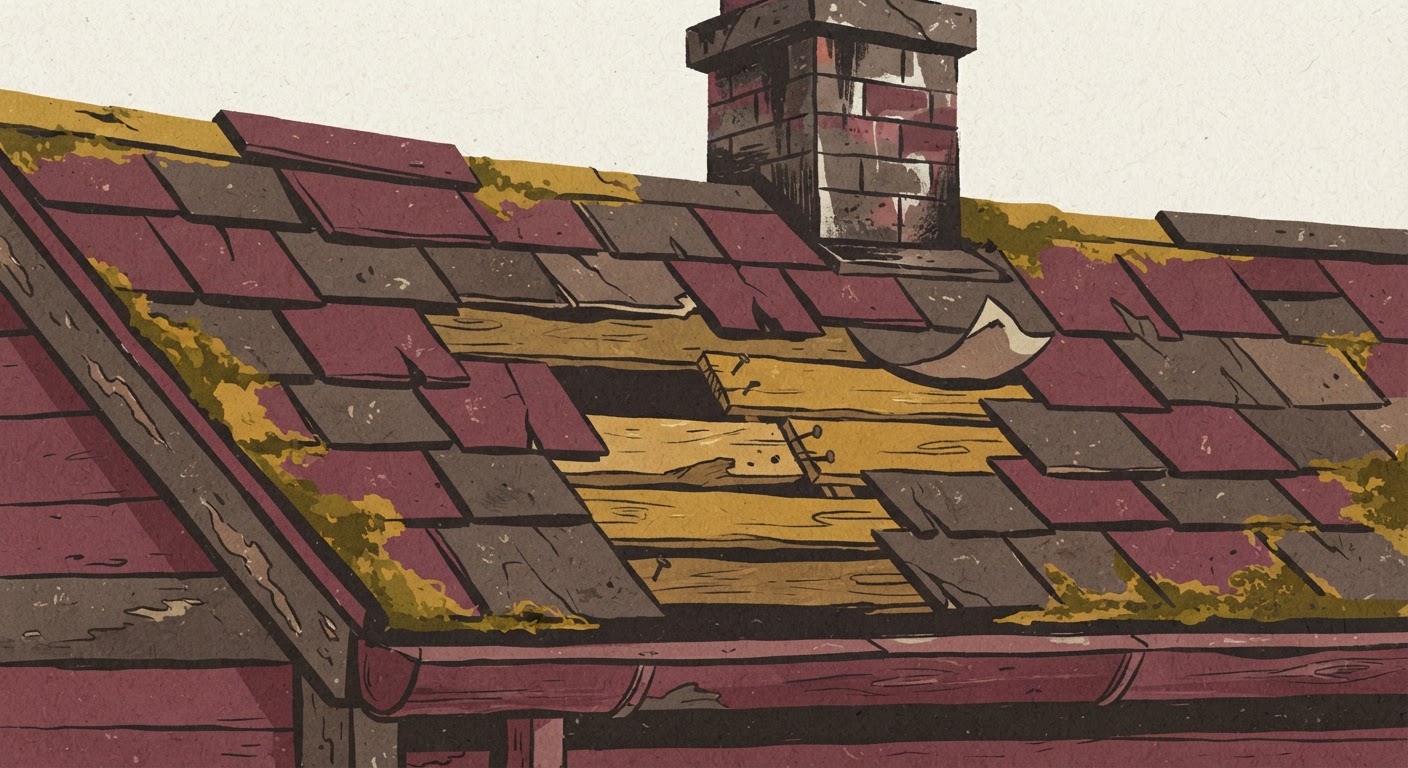
- Roof replacement or repair when there’s active leaking or structural risk
- Repairing or replacing an unsafe furnace, water heater, or electrical wiring
- Fixing a failing well or septic system
- Structural repairs to a foundation, floor, or wall that’s a safety hazard
- Removing lead-based paint hazards
- Installing grab bars, ramps, widened doorways, or other accessibility modifications tied to a resident’s mobility needs
- Weatherization work like insulation or window repair when it’s connected to health or safety, not just comfort
What tends not to be covered, or gets flagged for closer review:
- Purely cosmetic upgrades — new countertops, flooring for looks, paint colors, that sort of thing
- Additions that expand the square footage of the home rather than repair what’s already there
- Outbuildings, barns, detached garages, or shops that aren’t part of the primary residence
- Landscaping, fencing, or driveway work unless it’s directly tied to a safety hazard
- Repairs on a mobile or manufactured home that isn’t permanently affixed to a foundation and titled as real property — this trips up a fair number of rural applicants, so check with your local office about how your home is classified before you apply
If you’re not sure whether your particular repair qualifies, don’t guess based on this list alone. Call your local USDA Rural Development office and describe the problem simply — a leaking roof, a well that’s run dry, a floor that’s sagging. The staff there can tell you quickly whether it fits, and they’d rather answer that question up front than have you submit a full application for something that isn’t eligible.
Grant vs. Loan: When the $10,000 Grant Cap Applies
This is the part that confuses the most people, so it’s worth slowing down on.
The loan portion of Section 504 can go up to a set maximum amount, is repaid over an extended term, and carries a low fixed interest rate. Any homeowner who meets the general low-income requirement can apply for the loan, regardless of age.
The grant portion is where the age-62-and-older requirement kicks in, and it comes with a lifetime cap — commonly cited at $10,000, though you should verify the current cap directly with USDA, since program figures are adjusted from time to time and you don’t want to plan around an outdated number. That grant money does not have to be repaid, but there’s a catch: if you sell the home within a set number of years after receiving the grant, USDA can require you to repay it. This is meant to prevent someone from taking grant money, selling the property shortly after, and pocketing the gain. If you’re on the fence about whether you’ll stay in the home long-term — say you’re already weighing a move closer to family or into assisted living — ask the local office directly how the repayment condition would apply to your situation before you accept grant funds.
Many applicants end up with a combination of both: a grant covering part of the cost up to the cap, and a loan covering the rest, structured so the total repair gets done without stretching your monthly budget past what you can handle. The loan officer at your local Rural Development office will work through this combination with you based on the actual repair estimate and your income.
How to Apply and What Documentation to Gather First
Applications go through your local USDA Rural Development office, not through a bank or a national call center, which is one of the few times dealing with a federal program actually means dealing with someone nearby who knows your county. Start by finding your local office through the USDA Rural Development website or by calling the nearest regional office and asking to be directed.
Before your first appointment or phone call, gather:
- Proof of age (driver’s license, birth certificate, or similar) for anyone on the application applying for grant eligibility
- Proof of income for everyone in the household — Social Security award letters, pension statements, farm income records, or tax documents from recent years
- Proof of homeownership — your deed or mortgage statement
- Proof that the home is your primary residence
- A description of the repair needed, and if you already have one, a written estimate from a contractor
- Your most recent property tax statement
Once your application is in, USDA typically sends someone out to inspect the home and confirm the repair need before approving funds — this isn’t a drive-by decision made from paperwork alone. Timelines vary a lot by region and by how backed up the local office is, so ask directly what the current wait looks like in your county rather than assuming it’ll move quickly. If your situation involves an urgent safety issue — no working heat in winter, a well that’s gone dry — say so plainly when you apply, since offices generally prioritize cases with immediate health and safety risk over routine cosmetic requests.
