
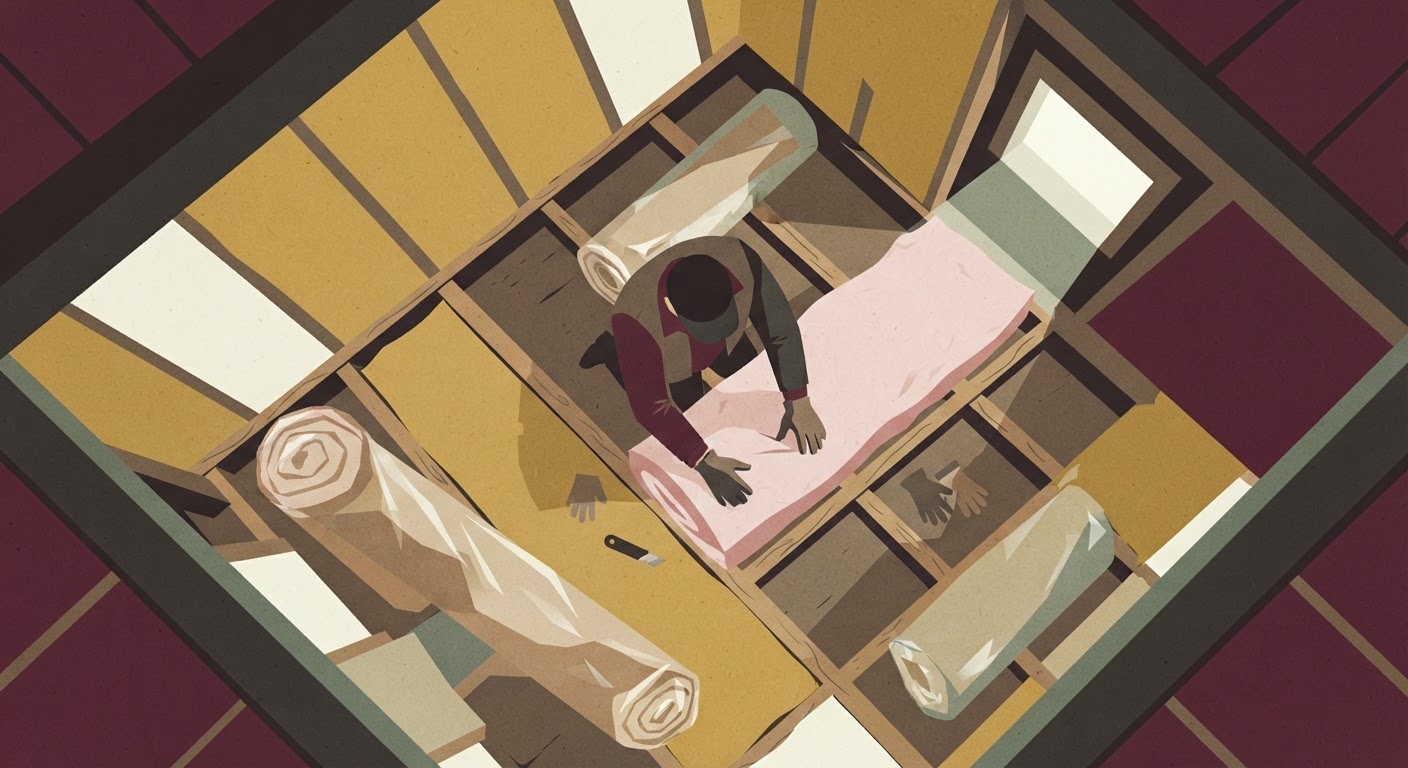
Winter doesn’t care that the nearest weatherization contractor is ninety minutes away and charges a trip fee before they’ve touched a single window. If you live in a rural county, your house is probably older than the national housing stock average, your heating system has probably outlived its warranty, and your walls were likely built to a code standard that assumed heating oil or propane would stay cheap forever. That combination is why rural households routinely spend a bigger share of their income on energy than city dwellers, even when the actual dollar amount looks similar on paper.
Why energy costs hit rural homes harder than the national averages suggest
National energy burden numbers get calculated using a lot of assumptions that don’t hold up out here. Metro housing stock skews newer and denser—shared walls, smaller square footage, gas lines already run to the curb. Rural homes tend to be older, standalone, and built before insulation standards tightened up. A farmhouse with balloon framing and single-pane windows loses heat in ways a 1990s subdivision house never will.
Then there’s fuel type. If you’re on propane or heating oil because there’s no natural gas line within twenty miles, you’re at the mercy of delivery schedules and price swings that don’t show up in the “average household energy cost” figures reporters like to quote. Add in longer, colder winters in a lot of farm and ranch country, and the furnace runs more months out of the year than it would in a milder climate. None of this is a budgeting failure on your part—it’s geography and housing age working against you at the same time.
USDA Rural Development programs that cover weatherization and efficiency upgrades
USDA Rural Development runs housing programs most people only associate with home purchase loans, but several of them extend to repairs and efficiency work on homes you already own. The general thread running through these programs is that they’re built for low- and moderate-income households in areas the USDA classifies as rural, which covers a lot more towns than people expect—it’s worth checking your address against the eligibility map rather than assuming your town is “too big” or “too close to a city” to qualify.
The programs typically bundle efficiency upgrades in with broader home repair funding rather than treating insulation and windows as a separate category. That means the application usually asks about your home’s overall condition, not just your heating bill, and a contractor or program representative may recommend combining an insulation job with other repairs found during an inspection. If you’re applying, it helps to have a rough sense going in of what you actually want addressed—drafty windows, an attic with no insulation, a furnace that’s original to the house—so you’re not relying entirely on the inspector’s priorities.
How these differ from the well/septic/foundation repairs covered under Section 504
Section 504 gets mentioned a lot in rural homeowner circles, and it does cover home repairs, but its bread and butter is health-and-safety issues: failing wells, septic systems on the verge of contamination, foundation problems, roof leaks. Efficiency upgrades can sometimes ride along with a 504 project if the inspector flags something like missing insulation while they’re already in the attic dealing with a roof issue, but you generally shouldn’t apply for 504 funding expecting it to fund a weatherization project on its own merits.
The distinction matters because 504 funding is limited and prioritized by urgency—a septic system that’s actively failing is going to get attention before a house that’s simply drafty. If your main problem is energy costs rather than a safety hazard, you’re usually better served applying through the weatherization-specific programs rather than competing for 504 dollars against someone whose well water isn’t safe to drink. Ask directly which program fits your situation before you spend time on an application; the local USDA Rural Development office can point you to the right one instead of you guessing.
Utility co-op rebate programs many rural households don’t know exist
If you get your electricity from a rural electric cooperative rather than an investor-owned utility, there’s a decent chance your co-op runs a rebate or low-interest loan program for efficiency upgrades that never gets advertised beyond a small note in the monthly newsletter you skim and toss. Co-ops often have more flexibility than big utilities to offer rebates on insulation, heat pumps, water heaters, and smart thermostats, partly because reducing peak demand saves the co-op money on the wholesale power it buys.
These programs vary enormously from one co-op to the next, so there’s no universal amount or list of covered items to point to—what your neighbor’s co-op two counties over offers may not match yours at all. The practical move is to call your co-op directly and ask what’s currently available, because these programs change year to year depending on co-op budgets and sometimes go underused simply because members don’t know to ask. Some co-ops also offer free or discounted energy audits, which can tell you exactly where your house is losing heat before you spend a dime on materials.
Combining grants, low-interest loans, and rebates without duplicating paperwork
It’s possible to stack a USDA program, a co-op rebate, and a state or local weatherization grant on the same project, but each one has its own application, its own documentation requirements, and sometimes its own contractor requirements. The paperwork burden is real, and it’s the main reason people give up halfway through and just pay for a partial fix out of pocket.
Before you fill out a second application, ask the first program’s administrator directly whether receiving their funding disqualifies you from the others, or whether they coordinate with the co-op or state program you’re also pursuing. Some programs are set up to work together intentionally—USDA funding covering the bulk of a project while a co-op rebate covers a specific appliance—while others have rules against double-dipping on the exact same line item. Keep a simple folder, physical or digital, with copies of every application, every inspection report, and every contractor quote, because you will be asked to produce the same information more than once, and it’s much easier to have it ready than to hunt it down a second time.
What to prioritize first when your budget only covers one upgrade this year
If you can only tackle one thing, an energy audit—even an informal one from a co-op representative or contractor—is usually the best first dollar spent, because it tells you where the money actually needs to go instead of guessing. Air sealing and attic insulation tend to deliver more heat retention per dollar than new windows, which are expensive and often oversold as the fix for a drafty house when the real culprit is an uninsulated attic or gaps around the foundation.
If your furnace or heating system is genuinely at the end of its life, that usually jumps ahead of cosmetic or partial insulation work, since a failing system costs you both in fuel efficiency and in the real risk of a mid-winter breakdown. Windows are worth prioritizing last for most older rural homes—not because they don’t matter, but because sealing and insulation typically cost less and address a bigger share of the heat loss first. Whatever you choose, get more than one quote if you can, even if it means driving to the next town over; a second opinion has a way of catching things the first contractor missed, and in a place where contractors are scarce, that second call is worth the trip fee.
