
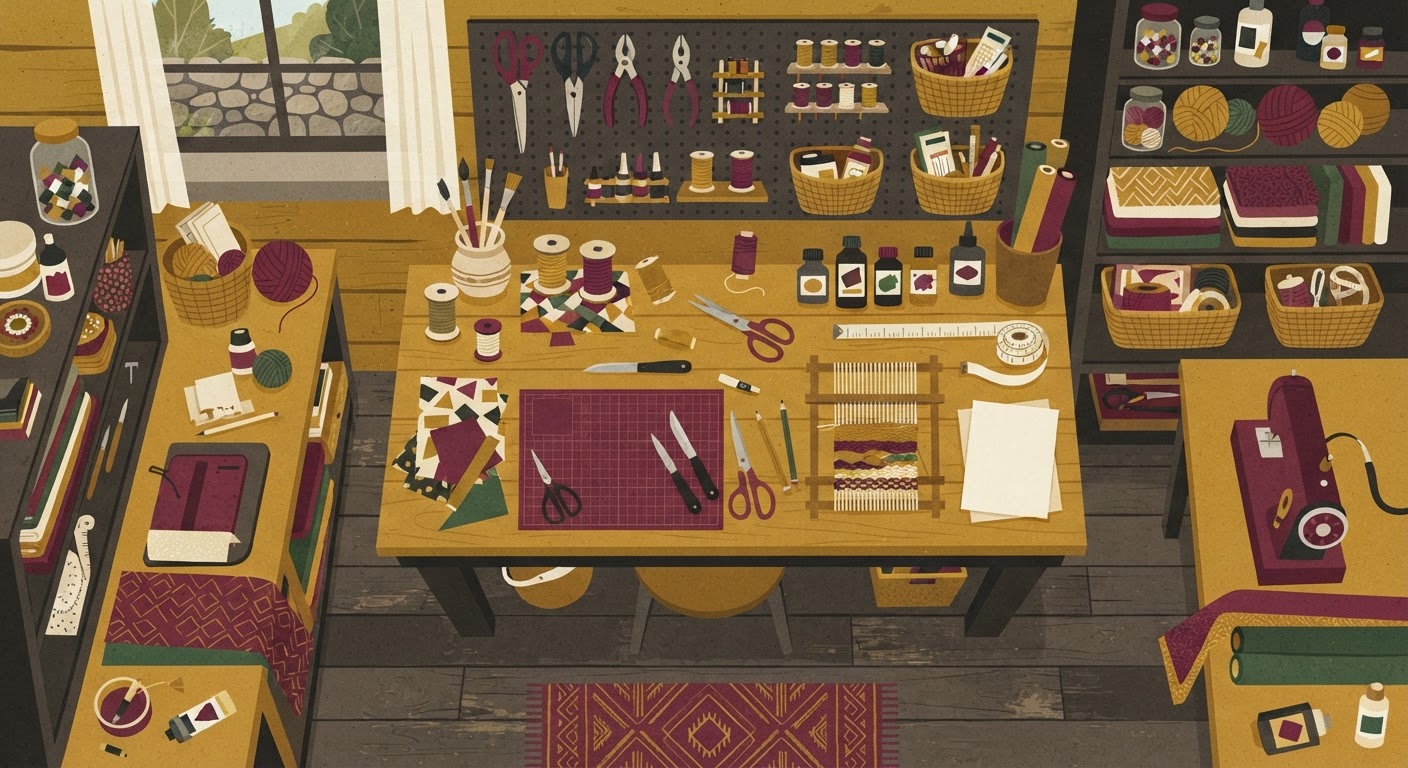
Somewhere between the Etsy shop running out of the spare bedroom and the welding bay that used to be a machine shed, a lot of rural households have quietly become small businesses without ever calling themselves that. You sell honey at the farmers market, fix small engines for neighbors on weekends, do bookkeeping for a couple of local outfits, or bake wedding cakes out of your kitchen. Nobody hands you a business license ceremony for that. But your insurance company has a very specific opinion about it, and it’s not one most people find out about until it’s too late.
Why homeowners policies cap or exclude business-related claims, even for small side ventures
A standard homeowners policy is priced and written around the idea that your house is a place where people live, not a place where money changes hands. That distinction matters more than it sounds like it should. Insurers build their homeowners rates on the assumption of personal, non-commercial use. The moment inventory, tools, or customers tied to income enter the picture, you’ve stepped outside what that policy was built to absorb.
Most policies handle this with a business property cap, often a modest dollar limit on equipment or stock used for a side venture, and outright exclusions for liability tied to business activity. So the sewing machine you use for personal mending might be covered fine. The same sewing machine, once it’s the backbone of a custom-order business, may fall outside that limit entirely, or be excluded outright if a claim adjuster determines it was “used in connection with a business.” That phrase shows up in policy language a lot, and it’s doing more work than most homeowners realize.
Common rural home businesses that trigger coverage gaps
This isn’t a hobby-farm problem or a niche concern. Small-town and rural economies run on exactly this kind of side work, and insurers know it, even if the paperwork hasn’t caught up.
Welding and small engine repair shops in a converted barn or shed are probably the most exposed setup, because they combine expensive equipment, flammable materials, and customers or their vehicles on your property. Craft and craft-adjacent sales, whether it’s an Etsy shop, quilting, woodworking, or soap making, often involve enough raw material and finished inventory sitting in a spare room to exceed a homeowners cap without anyone noticing until there’s a fire or a break-in. Bookkeeping, tax prep, or other home-office work seems lower-risk because there’s no heavy equipment, but client records and business liability still aren’t things a personal policy is built to cover. And home bakeries or commercial kitchens carry both product liability, what happens if someone gets sick, and property exposure from commercial-grade ovens and mixers that go well beyond normal kitchen use.
The common thread is that none of these feel like “running a business” to the person doing them. They feel like making a little extra money doing something you’re good at. Insurance companies don’t see it that way.
The difference between a business endorsement, an in-home business policy, and a full commercial policy
There are a few different tools for closing this gap, and picking the right one depends on how big the operation actually is.
A business endorsement, sometimes called a rider, is an add-on to your existing homeowners policy that raises the coverage limit for business property and adds a bit of liability protection for a specific, usually small-scale activity. This tends to work for lower-risk situations: modest inventory, no regular customer foot traffic, no heavy equipment.
An in-home business policy is a step up, usually a separate but companion policy sold alongside your homeowners coverage. It’s built for situations where you’ve got more inventory, occasional customers or deliveries on-site, and a genuine need for business liability coverage, but the operation still isn’t big enough to justify a full commercial policy.
A full commercial policy is a different animal entirely, and it’s usually what you need once the shed has become a shop with employees, regular customer traffic, significant equipment value, or real revenue. If you’ve got a welding business with a couple of guys on payroll working out of what used to be a hay barn, you’re probably in commercial-policy territory whether you’ve admitted it to your agent yet or not.
Liability exposure when customers, suppliers, or delivery drivers come onto your property
This is the part that catches people off guard, because it’s not about the equipment or inventory at all, it’s about people. The moment someone comes onto your property for a business reason, whether that’s a customer picking up a repaired mower, a supplier dropping off raw material, or a delivery driver hauling boxes of packaging supplies to your porch, you’ve introduced a liability exposure that a standard homeowners policy is not designed to carry.
If that person slips on ice near your shop entrance, or a customer’s vehicle gets damaged by falling debris while parked near your barn, the “who’s responsible” conversation gets complicated fast if there’s a business angle to why they were there in the first place. Homeowners liability coverage is written around visitors in a personal capacity, friends, family, the mail carrier. Once someone’s on your property because of your business, you’re often on your own unless you’ve specifically covered that exposure.
What happens to a claim if an adjuster discovers undisclosed business use after a fire or theft
This is where the theoretical becomes very real. After a fire, theft, or other major loss, an adjuster’s job includes figuring out exactly what happened and what was covered. If they find evidence of undisclosed business use, inventory records, business bank deposits, a sign out front, a website with your address, they can deny the portion of the claim tied to that activity, and in some cases they can raise questions about the whole policy if the business use wasn’t disclosed when the policy was written or renewed.
This doesn’t necessarily mean your whole claim gets thrown out. Often it means the business equipment, inventory, and any liability tied to the incident simply aren’t paid, while the personal property and structure portions proceed as normal. But losing coverage on exactly the assets tied to your income, right when you need that money most, is its own kind of disaster. It’s a preventable one, though, and that’s the point.
How to talk to a local agent about disclosing business activity without losing your standard homeowners discount
A lot of people avoid this conversation because they’re worried that saying “yes, I sell things out of my house” will spike their premium or cost them a discount they’ve had for years. In practice, a good local agent, the kind who actually knows your county and your neighbors, can usually find a way to add the right coverage without blowing up your whole policy.
The key is to be specific rather than vague. Instead of saying “I sell some stuff online sometimes,” tell your agent roughly how much inventory you keep on hand, whether customers or suppliers ever come to the property, and whether you use any equipment that wouldn’t normally be in a house. That lets them match you to an endorsement or add-on policy sized to your actual risk, rather than either ignoring the exposure or pushing you into a full commercial policy you don’t need yet.
A simple checklist for figuring out whether your setup needs added coverage now
If you can answer yes to more than one of these, it’s worth a call to your agent this week rather than after the next bad thing happens: Do customers, suppliers, or delivery drivers regularly come onto your property for business reasons? Is the value of your business inventory or equipment more than a few thousand dollars? Do you use any equipment, like welding gear, commercial ovens, or specialized tools, that goes beyond normal household use? Would a fire or theft wipe out income you depend on, not just personal belongings? Have you ever wondered, even briefly, whether your homeowners policy would actually cover this?
None of this means you need to become a full-blown commercial policyholder overnight. It just means it’s worth finding out, on your terms, before an adjuster finds out for you.
