
What patronage dividends actually are
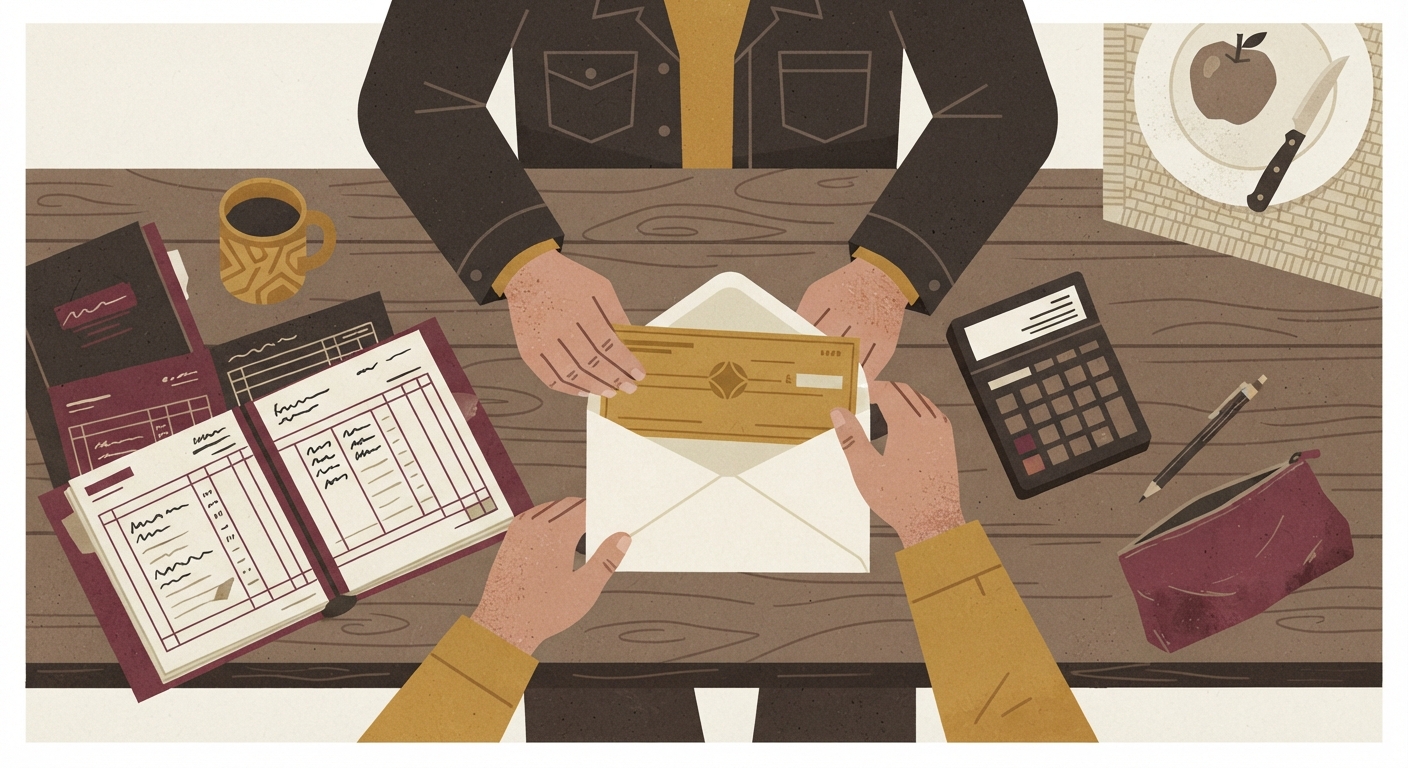
If you’ve ever pulled a check out of the mailbox from your grain elevator, your fuel co-op, or your farm supply store and wondered why they’re giving you money back, here’s the short version: you’re not a customer to a cooperative, you’re an owner. Co-ops are set up to run close to break-even for the business itself, and whatever margin is left over after expenses gets returned to the members who did business there that year. That refund is the patronage dividend.
The amount you get isn’t a gift or a loyalty reward like a credit card cash-back program. It’s tied directly to how much business you did with that co-op — bushels delivered, fuel purchased, inputs bought — measured against the co-op’s total earnings for the year. Two neighbors with different-sized operations buying from the same co-op will get different-sized checks, and that’s by design. It’s your slice of a pie you helped bake.
This matters for budgeting because it means the check isn’t random. It’s a predictable, recurring part of how a farm or ranch business gets paid, even though it shows up on its own schedule instead of alongside your regular income. Treating it as “extra” money is the first mistake a lot of families make, and it’s an easy one to fix once you understand what’s really going on.
Cash vs. stock: why the check might be smaller than you expect
Here’s where a lot of first-time or newer co-op members get caught off guard. Cooperatives are allowed to pay out patronage dividends partly in cash and partly in stock or equity credits in the co-op itself. The cash portion is the part you can spend right away. The non-cash portion — sometimes called “qualified” or “non-qualified” allocated equity, depending on how the co-op structures it — stays on the books as your ownership stake in the cooperative rather than landing in your bank account.
So if your co-op declares a dividend of a certain amount, don’t assume that whole figure is coming to you as a check. Many co-ops pay out a portion in cash, often somewhere in the neighborhood of 20 to 50 percent depending on the co-op’s bylaws and financial health, and roll the rest into your equity account. That equity isn’t worthless — it represents your ownership share and may get paid out down the road, sometimes when you retire from farming or when the co-op redeems older equity — but it’s not money you can use to pay this month’s fuel bill.
The practical takeaway: when you’re budgeting, look at the cash portion of the statement, not the total dividend figure. That’s the number that affects your checking account. The rest is longer-term, and it’s worth tracking separately so you have a realistic picture of your net worth, but it shouldn’t be part of your near-term cash flow planning.
Why the check size isn’t up to you
It’s tempting to think a bigger harvest or a busier year buying inputs automatically means a bigger dividend check. That’s part of it, but it’s not the whole story. The co-op’s total earnings depend on commodity prices, how well the co-op itself managed its costs, competition from other suppliers, and decisions the board made about how much to retain versus distribute. A co-op can have a rough year even when its members had a good one, and vice versa.
This is worth sitting with, because it changes how you should think about the check. It’s not a reward for effort the way a bonus at a job might be. It’s closer to a variable-rate return that depends on forces outside your control — the same forces that move grain prices and fuel costs around all year. Some years the check will be generous. Other years it’ll be thin, or the co-op board may decide to hold back more earnings to shore up the co-op’s own finances. Either way, it’s not a reflection of whether you did anything differently.
The safest approach is to budget using a conservative estimate based on recent years, not the best year you remember, and treat anything above that as a pleasant surprise rather than the baseline you’re counting on.
Building the dividend into your budget instead of spending it on arrival
If you’re running a bucket or envelope-style budget — and a lot of farm families do, whether it’s literal envelopes or a spreadsheet version of the same idea — the patronage check deserves its own line, planned out months before it arrives. Waiting until the check shows up to decide what to do with it usually means it gets absorbed into whatever bill happens to be due that week, and then it’s gone without much to show for it.
Instead, try mapping out roughly when the check tends to arrive based on past years, and build that timing into your cash flow calendar alongside crop sales, livestock checks, and other seasonal income. Once you have a conservative estimate of the cash portion, split it the same way you’d split any other income: some toward the operating account, some toward a specific bucket like equipment or repairs, and some toward debt or savings. Deciding this ahead of time, while the check is still theoretical, takes the emotion out of it. It’s a lot easier to be disciplined about money that hasn’t landed in your hand yet than money that’s already sitting in your checking account.
Putting the dividend to work strategically
Because the timing of patronage checks often lines up with slower months on the farm calendar, they can be a natural fit for a few specific uses rather than getting spread thin across everyday expenses.
Equipment repairs and deferred maintenance are an obvious one — a dividend check arriving before spring fieldwork can cover a repair you’ve been putting off, without pulling from your operating line of credit. Debt paydown is another solid use, especially for higher-interest balances like a credit card or short-term note, since it’s a lump sum you can apply all at once rather than nibbling away at over months. And seeding next year’s operating account is worth considering too, particularly in a good year, since it gives you a cushion before input costs start hitting in late winter and early spring.
There’s no universal right answer here — it depends on what’s pressing on your operation this year — but deciding on a purpose ahead of time, even a rough one, tends to produce better outcomes than letting the money drift into general spending.
Questions worth asking your co-op board
You have more insight available to you than you might realize, and co-op boards generally expect members to ask about this. A few questions worth raising at your next annual meeting or in a call to the co-op office: What percentage of this year’s dividend is being paid in cash versus equity, and has that ratio changed from past years? Roughly when can members expect the check to be issued? How is patronage calculated — is it based on volume, dollar amount, or some other measure? And is there a process for redeeming older allocated equity, and if so, what does that typically look like for members at different stages, such as approaching retirement?
Getting clear answers won’t change how much the co-op earns in a given year, but it will make your own budgeting a lot more accurate, and that’s really the goal — turning a once-a-year mystery check into a planned, predictable piece of how your operation runs.
